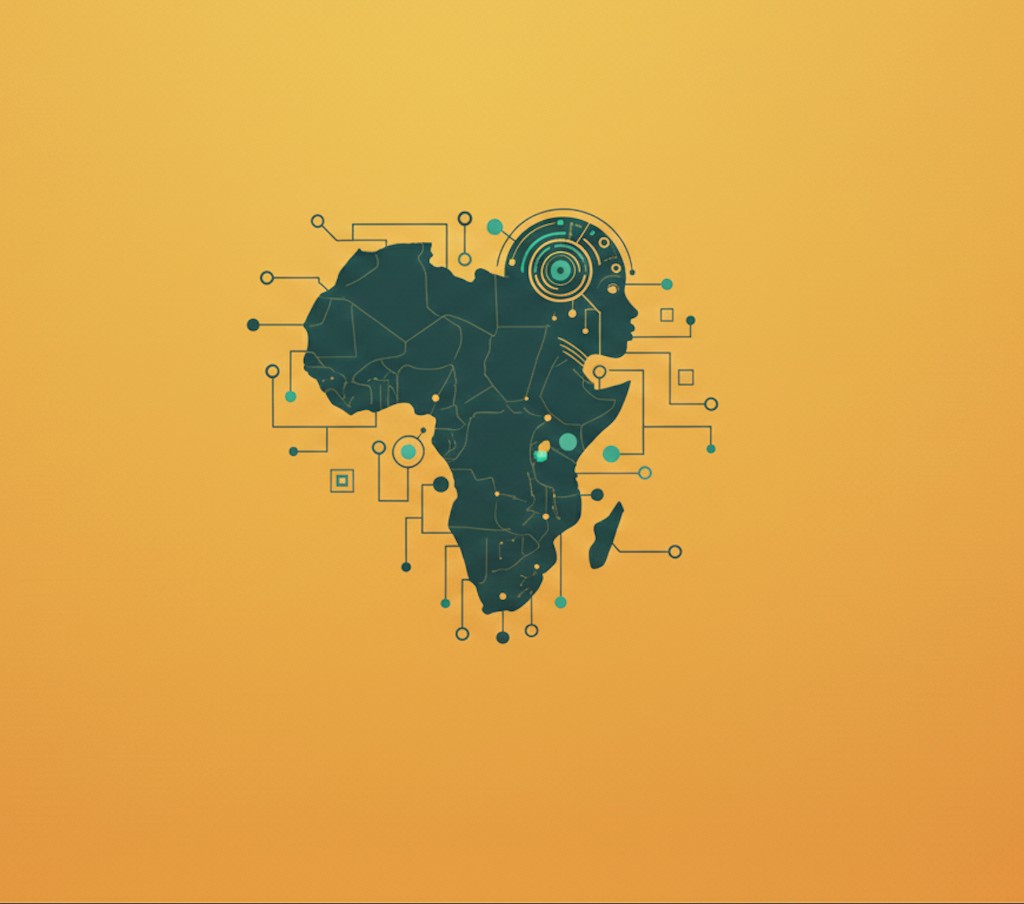

Accessible eLearning: Unlock Education for ALL Africans
eLearning should be for everyone. But is it? Discover how accessible design can unlock digital education for ALL Africans. Read now!
Let's be real, how many "revolutionary" EdTech platforms have you seen that are about as accessible as getting a visa to Europe? Yeah, exactly. Turns out, slapping content online isn't the same as making it truly accessible. But accessible eLearning? Now that's something that could actually change the game, especially here in Africa.
Accessible eLearning: More Than Just a Buzzword
Accessible eLearning means designing digital learning platforms and courses so everyone can use them, regardless of disability, location, or socioeconomic status. It's about inclusivity from the ground up. We’re talking about:
* Captioning videos: Because not everyone can hear, and data is expensive, so reading is sometimes the only option.
* Using alt text for images: Visually impaired users deserve to "see" the content too.
* Designing for different screen sizes: Most Africans are mobile-first, remember? That desktop-only design? Yeah, toss it.
* Clear and simple navigation: No one wants to spend 30 minutes figuring out how to submit an assignment, especially with spotty internet.
It sounds obvious, right? But shockingly, it's often an afterthought.
Why Accessibility Matters (Especially in Africa)
Look, access to education is a fundamental right. But in many African countries, that right is hampered by a whole load of challenges:
* Limited infrastructure: Not everyone has reliable internet or electricity.
* High data costs: Streaming video lectures can eat through a month's salary.
* Diverse languages and cultural contexts: A one-size-fits-all approach simply won't work.
* Disabilities often overlooked: Accessibility features are frequently missing, excluding a significant portion of the population.
Accessible eLearning can help bridge these gaps. It can empower individuals, boost economies, and create a more equitable society. No pressure, EdTech, but the future's on your shoulders!
What Nobody's Talking About: The Business Case
Okay, so doing good is great and all, but let's talk business. Accessible eLearning isn't just morally right; it's also smart business.
* Larger Market Reach: You instantly open your platform to a wider audience. Hello, revenue potential!
Improved User Experience: Features like clear navigation and captions benefit everyone*, not just those with disabilities.
* Enhanced Brand Reputation: Show you care, and customers will notice. Authenticity is the new marketing, people.
* Competitive Advantage: Be a leader, not a follower. Set the standard for inclusive digital education in Africa.
Basically, accessibility is a win-win. You get to make a difference and make money. What's not to love?
The African Angle: Local Innovations & Challenges
So, what does this mean for Ghana and the wider African tech ecosystem?
There are definitely local players stepping up:
* mPedigree: While not strictly EdTech, their work in authentication and supply chains highlights the importance of access to verifiable information, a key aspect of trustworthy education.
* Eneza Education (Kenya): Provides affordable, SMS-based learning tools to students in rural areas, demonstrating the power of low-bandwidth solutions.
* Ubongo (Tanzania): Creates educational content for kids in local languages, proving that culturally relevant learning is engaging learning.
But there's still a long way to go. Challenges remain:
* Lack of awareness: Many developers and educators simply aren't aware of accessibility best practices.
* Limited funding: Investing in accessibility features can be costly, and funding is often scarce.
* Infrastructure gaps: Even the most accessible platform is useless without reliable internet and devices.
What we need is a concerted effort from governments, NGOs, and the private sector to prioritize accessible eLearning. Think about local coding bootcamps teaching accessibility standards, or government initiatives to subsidize data costs for students. We need to make it easier for African learners to access quality education, regardless of their circumstances.
Actionable Steps: Build Accessibility into Your Project Now
Alright, you're convinced. Now what? Here's how to make your eLearning platform more accessible:
1. Start with the Web Content Accessibility Guidelines (WCAG): This is the international standard for web accessibility.
2. Test with real users: Get feedback from people with disabilities. They'll tell you what works and what doesn't.
3. Provide alternative formats: Offer transcripts, captions, and audio descriptions.
4. Use clear and simple language: Avoid jargon and complex sentence structures.
5. Optimize for mobile: Most African users are accessing your platform on their phones.
6. Consider offline access: Allow users to download content for later viewing.
It's a journey, not a destination. Start small, iterate, and keep learning.
FAQ: Your Burning eLearning Accessibility Questions Answered
What is accessible eLearning?
Accessible eLearning is digital learning that's designed to be usable by everyone, including people with disabilities. It considers various needs and preferences to ensure inclusivity.
Why is accessible eLearning important?
Because education is a human right, and everyone deserves the opportunity to learn and grow. Plus, it's good business!
How does accessible eLearning affect African startups?
For African startups, embracing accessible eLearning unlocks access to a larger, more diverse market. This can lead to increased user engagement, revenue, and social impact. It also creates a competitive advantage by showcasing a commitment to inclusivity, which resonates strongly with socially conscious consumers and investors. Ignoring accessibility limits reach and potential impact in a diverse continent.
What are some common accessibility barriers in eLearning?
Common barriers include:
1. Lack of captions or transcripts for videos.
2. Poor color contrast, making text difficult to read.
3. Inadequate keyboard navigation.
4. Missing alt text for images.
5. Incompatible with screen readers.
Where can I learn more about accessible eLearning?
Check out the WCAG guidelines and explore resources from organizations like the Global Initiative for Inclusive ICTs (G3ict).
Sources
1. eLearning Industry. "Accessible eLearning: How Inclusive Digital Education Improves Learning For Everyone." https://elearningindustry.com/accessible-elearning-how-inclusive-digital-education-improves-learning-for-everyone
2. Web Content Accessibility Guidelines (WCAG): https://www.w3.org/WAI/standards-guidelines/wcag/
3. Global Initiative for Inclusive ICTs (G3ict): https://g3ict.org/
So, will Africa lead the way in accessible eLearning? Or will we keep building platforms that only work for a select few? The choice is ours. What are you going to build?
You Might Also Like
- AI to the Rescue? Corporate Training's Epic Scaling Fail
- AI Design Without Chaos: Master Instructional Design QA
- AI to Rescue? Why Corporate Training Fails (and How to Fix It)
---
Want to go deeper on topics like this? ShowMe is where African tech professionals learn, teach, and build together. Join a Compound or start teaching what you know.
This article was AI-assisted and editor-reviewed. See our editorial policy for how we use AI.
The ShowMe Blog
AI-CuratedAI-curated insights on technology, business innovation, and digital transformation across Africa. Every post is synthesized from multiple verified sources with original analysis.
Related Posts

Accessible eLearning: Why It's a Game Changer for African EdTech
Hold up. Another article telling us eLearning is the future? Groundbreaking. But before you roll your eyes, let's talk about why **accessible eLearning** is *actually* a game-changer, especially for u
Read more
AI to the Rescue? Scaling Corporate Training in Africa
Okay, let's be real: corporate training videos are where dreams go to die. You're stuck watching some grainy footage from 2008 about "synergy" while your data bundle weeps silently. Turns out, even *c
Read more