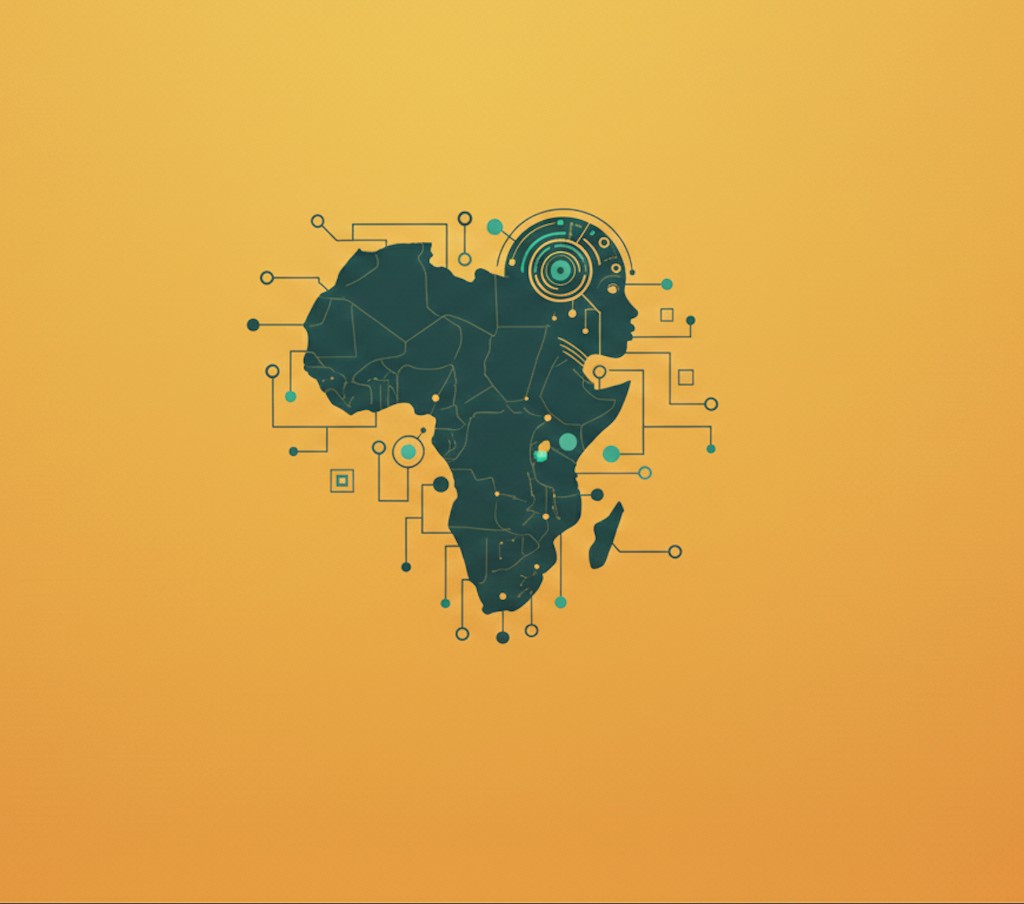

Accessible eLearning: Why It's a Game Changer for African EdTech
Accessible eLearning isn't just a nice-to-have – it's crucial. How can inclusive digital education transform learning in Africa? Read on!
Hold up. Another article telling us eLearning is the future? Groundbreaking. But before you roll your eyes, let's talk about why accessible eLearning is actually a game-changer, especially for us in Africa. We're not just talking about convenience; we're talking about equity.
Level Up: What is Accessible eLearning, Anyway?
Okay, so what is accessible eLearning? Simply put, it's designing digital learning platforms and courses so everyone can use them, regardless of their abilities or disabilities. Think:
* Subtitles and transcripts for videos (crucial with spotty internet, let's be real).
* Screen reader compatibility for visually impaired users.
* Keyboard navigation for those who can't use a mouse.
* Clear, concise language for learners with cognitive differences.
* Adjustable font sizes and color contrasts for visual comfort.
Basically, it's about making learning materials usable by as many people as possible. And honestly, shouldn't that be the bare minimum?
Why Accessible eLearning Isn't Just "Nice to Have"
Look, we all know that education is a massive challenge in Africa. From overcrowded classrooms to a lack of resources, the hurdles are real. Now, add in accessibility barriers, and you're leaving even more people behind.
Accessible eLearning isn't just a feel-good initiative; it's a strategic imperative because:
* It expands access: It opens doors for students with disabilities who might otherwise be excluded.
It improves learning outcomes: When content is easier to understand and navigate, everyone* benefits.
* It promotes inclusivity: It sends a powerful message that everyone deserves a chance to learn and succeed.
* It's smart business: A larger potential user base = more opportunities for EdTech companies.
The African Angle: Bridging the Digital Divide
Let's bring this home. In Ghana, Nigeria, Kenya, and across the continent, we're grappling with unique challenges:
Mobile-first users: Many Africans access the internet primarily through their phones. Accessible eLearning needs to be mobile-optimized first*.
* High data costs: Large video files and unoptimized content can be prohibitively expensive. Accessibility means efficient design.
* Diverse languages: Content needs to be available in local languages, with culturally relevant examples.
* Varying levels of digital literacy: Platforms need to be intuitive and easy to use, even for those with limited tech experience.
Consider a company like Eneza Education in Kenya, which delivers educational content via SMS. That's accessibility on a very basic level, right? Now, imagine that same approach, but with more sophisticated features tailored to different learning needs.
Or think about the potential for accessible eLearning to support students in rural areas, who often lack access to quality education. Companies like Ubongo Kids (Tanzania) are already creating educational content for African children. How can we make that content even more accessible?
The opportunity is huge. The key is to design with accessibility in mind from the start, not as an afterthought.
What Nobody's Talking About: The "Poverty Tax" of Inaccessible Tech
Here's a spicy take: inaccessible tech imposes a "poverty tax" on users in developing countries. Think about it. If a website or app is poorly designed and wastes your data, that's literally costing you money. If it's difficult to navigate, it's wasting your time (which, let's be real, is money).
Accessible eLearning isn't just about helping people with disabilities; it's about making education more affordable and efficient for everyone, especially those who can least afford to waste resources. It's about designing tech that respects the limitations of our infrastructure and the realities of our daily lives.
The Future of EdTech in Africa: Accessibility as a Competitive Advantage
The EdTech market in Africa is booming. But here's the thing: companies that prioritize accessibility will have a major competitive advantage.
Why? Because they'll be able to reach a wider audience, build stronger brand loyalty, and ultimately, make a bigger impact.
Imagine two eLearning platforms:
* Platform A: Slick design, tons of features, but clunky on mobile and difficult for users with limited data.
* Platform B: Simple, intuitive, accessible on all devices, and optimized for low bandwidth.
Which one do you think will thrive in the African market? It's not rocket science.
Accessibility isn't just a moral imperative; it's a business imperative.
FAQ: Your Burning eLearning Questions Answered
What are some examples of accessible eLearning features?
Besides the ones mentioned earlier (subtitles, screen reader compatibility, etc.), think about:
* Alternative text for images: So screen readers can describe visuals.
* Clear and consistent navigation: Make it easy to find what you're looking for.
* Support for assistive technologies: Ensure compatibility with tools like screen magnifiers.
* Multimedia alternatives: Provide text-based versions of audio and video content.
How does accessible eLearning benefit students without disabilities?
It's not just about those with disabilities! Accessible design often leads to clearer, more intuitive content that benefits everyone. Think of it like curb cuts on sidewalks – they were designed for wheelchair users, but they also help people pushing strollers or pulling luggage.
What does this mean for Ghana's tech ecosystem?
For Ghanaian EdTech startups, embracing accessibility is a massive opportunity. It's a chance to differentiate themselves, build a loyal user base, and contribute to a more inclusive society. It also means thinking critically about the specific needs of Ghanaian learners – language, culture, connectivity, and cost. Are we building solutions that address these realities, or just copying Western models?
How can EdTech companies get started with accessible eLearning?
Start small! Conduct accessibility audits, get feedback from users with disabilities, and invest in training for your team. There are also plenty of resources available online, like the Web Content Accessibility Guidelines (WCAG).
Sources
1. "Accessible eLearning: How Inclusive Digital Education Improves Learning For Everyone" - eLearning Industry URL: https://elearningindustry.com/accessible-elearning-how-inclusive-digital-education-improves-learning-for-everyone
So, what do you think? Is accessible eLearning the key to unlocking the potential of EdTech in Africa? Or is it just another buzzword? Let's hear your thoughts in the comments!
You Might Also Like
- AI to the Rescue? Corporate Training's Epic Scaling Fail
- AI Design Without Chaos: Master Instructional Design QA
- AI Design Without the BS: A QA Workflow for EdTech
---
Want to go deeper on topics like this? ShowMe is where African tech professionals learn, teach, and build together. Join a Compound or start teaching what you know.
This article was AI-assisted and editor-reviewed. See our editorial policy for how we use AI.
The ShowMe Blog
AI-CuratedAI-curated insights on technology, business innovation, and digital transformation across Africa. Every post is synthesized from multiple verified sources with original analysis.
Related Posts
AI to the Rescue? Scaling Corporate Training in Africa
Okay, let's be real: corporate training videos are where dreams go to die. You're stuck watching some grainy footage from 2008 about "synergy" while your data bundle weeps silently. Turns out, even *c
Read more
Accessible eLearning: Unlock Education's True Potential!
Hold up. Another EdTech platform promising to "democratize education?" We've heard it all before. But here's the thing: **democratization means *nothing* if the platform isn't accessible to everyone.*
Read more