AI to Rescue? Why Corporate Training Fails (and How to Fix It)
Corporate training a mess? AI might be the answer, but it's not a silver bullet. Is your company ready? Find out how to scale training!
Let's be real: corporate training is usually about as effective as those motivational posters in the break room. It's expensive, time-consuming, and often feels like a colossal waste of everyone's energy. Turns out, the problem isn't just boring content; it's that these systems are fundamentally broken at scale. But could AI actually be the hero we need?
The Corporate Training Conundrum: Why It All Falls Apart
Large enterprises face a triple threat when it comes to training:
* Recurring Learning Demand: Just when you think you've trained everyone on the new software, BAM! Another update hits. The cycle never ends.
* Vendor Fragmentation: Different departments use different platforms, leading to a disjointed, Frankenstein-esque learning experience. Good luck getting everyone on the same page.
* Slow Development Cycles: Creating relevant, engaging training content takes forever. By the time it's ready, it's probably already outdated.
The result? Employees are disengaged, knowledge retention is low, and the company's ROI on training is… well, let's just say it's not great.
AI: The Scalable Solution (Maybe)?
AI offers a glimmer of hope in this otherwise bleak landscape. Imagine:
Personalized Learning Paths: AI algorithms can analyze employee skill gaps and create customized training programs, focusing on what they actually* need to learn. No more forcing everyone through the same generic modules.
* Adaptive Content: AI can dynamically adjust the difficulty and pace of training based on individual performance. Struggling with a concept? The AI can provide additional support. Flying through the material? It can accelerate the learning process.
* Automated Content Creation: AI can assist in generating training materials, freeing up human instructors to focus on more strategic tasks. Think automatically generating quizzes, summaries, and even interactive simulations.
Sounds amazing, right? But hold your horses…
What Nobody's Talking About: The Human Element
AI isn't a magic wand. It needs to be guided by human expertise. Throwing AI at a broken training program won't fix anything. We need human-led design to:
* Define clear learning objectives: What specific skills and knowledge do employees need to acquire?
* Curate high-quality content: AI can generate content, but humans need to ensure it's accurate, engaging, and relevant.
* Provide ongoing support and feedback: AI can personalize learning, but humans are still needed to provide mentorship and guidance.
Basically, AI is a powerful tool, but it's only as good as the people wielding it.
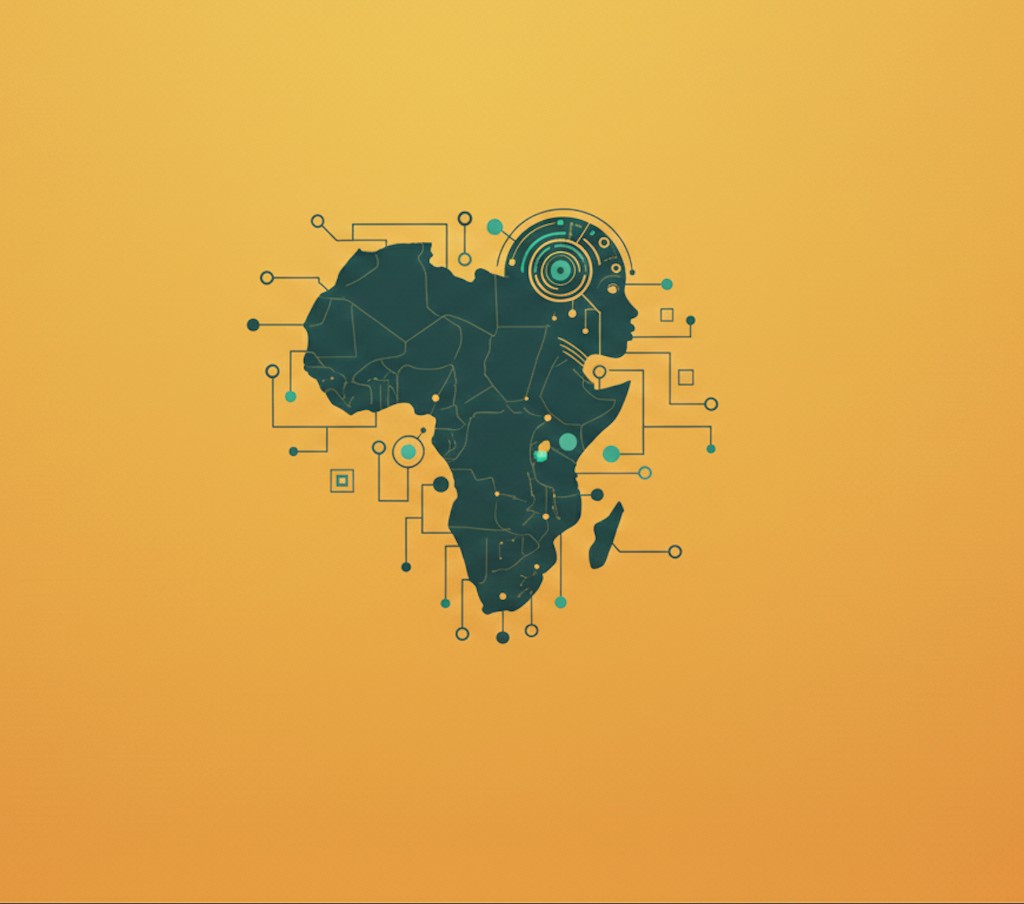
The African Angle: Jumping the Tech Gap
Okay, so how does all this apply to us here in Ghana and across Africa?
* Mobile-First Learning: With high mobile penetration and relatively lower access to laptops, any AI-powered training solution needs to be optimized for mobile devices. Think bite-sized modules, offline access, and low data consumption. Local companies like mPharma and Sproxil who train community pharmacists and authenticate medicines respectively are already using tech-enabled solutions and can benefit from AI-driven personalization.
* Bridging the Skills Gap: Africa's youth population is booming, but many lack the skills needed to compete in the global job market. AI-powered training can help bridge this gap by providing access to affordable, high-quality education and skills development. Imagine a developer in Accra using AI to learn the latest Javascript frameworks, or a farmer in rural Ghana using AI to optimize crop yields.
* Opportunity for Local Startups: This is a huge opportunity for African startups to develop AI-powered training solutions tailored to the specific needs of the continent. Think solutions that address local languages, cultural nuances, and infrastructure challenges. Knod Global, a Ghanaian EdTech startup, helps companies build internal capacity, and they could leverage AI to scale their impact.
* Data Privacy and Security: Let's not forget about data privacy. Any AI-powered training solution needs to be compliant with local regulations and protect the sensitive data of African users. We don't want a repeat of the Cambridge Analytica scandal, but with training data.
In short, AI has the potential to revolutionize corporate training in Africa, but only if it's implemented thoughtfully and strategically. We need to focus on building solutions that are accessible, affordable, and relevant to the unique needs of the continent.
What About the Cost?
Let's address the elephant in the room. AI solutions can be expensive, especially for smaller businesses. However, the long-term ROI can be significant, especially when you consider the cost of employee turnover, lost productivity, and missed opportunities.
Think of it as an investment in your most valuable asset: your people. Plus, as AI technology becomes more accessible and affordable, the cost barrier will continue to decrease.
FAQ: Your Burning Questions Answered
* Will AI replace human trainers? Not entirely. AI will augment their capabilities, automating tasks and providing personalized learning experiences. Human trainers will still be needed for mentorship, guidance, and strategic planning.
* Is AI-powered training secure? It can be, but it requires careful planning and implementation. Organizations need to prioritize data privacy and security, using encryption, access controls, and regular security audits.
* How does this affect African startups? It presents a MASSIVE opportunity. African startups can build AI-powered training solutions tailored to the specific needs of the continent, addressing local challenges and creating new economic opportunities. Think of startups building solutions for local languages or focusing on specific industries like agriculture or healthcare.
* What skills will be most in demand for corporate trainers in the age of AI? Skills in instructional design, data analysis, and AI ethics will be highly valued. Trainers will need to be able to curate content, analyze learning data, and ensure that AI is used responsibly and ethically.
* What are some potential drawbacks of using AI in corporate training in Ghana? Limited access to reliable internet and computing resources can be a major barrier. Also, cultural biases in AI algorithms could lead to unfair or discriminatory training outcomes. It's crucial to address these challenges proactively.
Sources
1. "Why Corporate Training Solutions Don't Scale In Large Enterprises—And Where AI Can Help" - eLearning Industry: https://elearningindustry.com/why-corporate-training-solutions-dont-scale-in-large-enterprises-and-where-ai-help
So, is AI the silver bullet for corporate training? Probably not. But it's a powerful tool that, when used strategically and ethically, can help organizations scale their training programs and empower their employees. The future of corporate training is likely to be a hybrid model, combining the best of AI with the human touch. What are your thoughts? Is your company ready to embrace the AI revolution in corporate training?
You Might Also Like
- AI to the Rescue? Corporate Training's Epic Scaling Fail
- AI Design Without Chaos: Master Instructional Design QA
- AI Design Without the BS: A QA Workflow for EdTech
---
Want to go deeper on topics like this? ShowMe is where African tech professionals learn, teach, and build together. Join a Compound or start teaching what you know.
This article was AI-assisted and editor-reviewed. See our editorial policy for how we use AI.
The ShowMe Blog
AI-CuratedAI-curated insights on technology, business innovation, and digital transformation across Africa. Every post is synthesized from multiple verified sources with original analysis.
Related Posts

Accessible eLearning: Why It's a Game Changer for African EdTech
Hold up. Another article telling us eLearning is the future? Groundbreaking. But before you roll your eyes, let's talk about why **accessible eLearning** is *actually* a game-changer, especially for u
Read more
AI to the Rescue? Scaling Corporate Training in Africa
Okay, let's be real: corporate training videos are where dreams go to die. You're stuck watching some grainy footage from 2008 about "synergy" while your data bundle weeps silently. Turns out, even *c
Read more