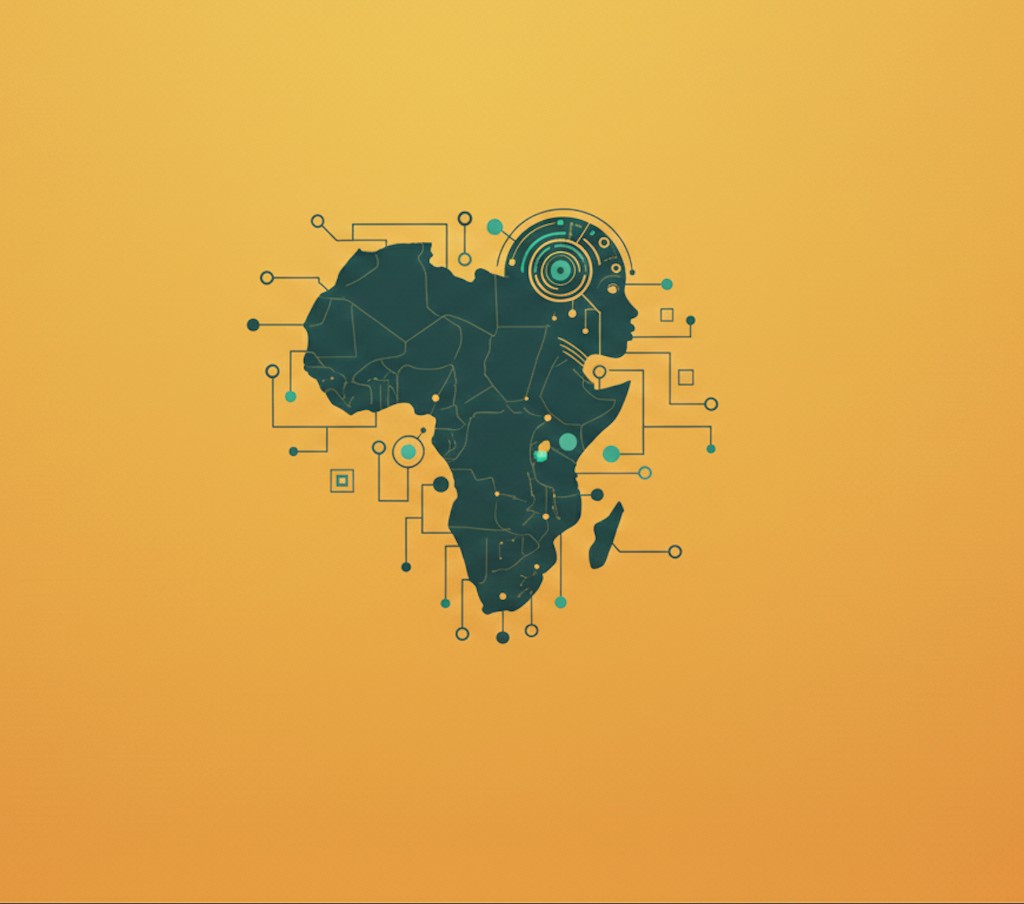

Deccan AI's $25M: Is This the AI Training Game Changer?
Deccan AI just raised $25M. Will their India-centric model disrupt AI training, or is it just another funding round? Let's dive in!
Another day, another massive funding round in the AI space. Deccan AI just snagged $25 million. Okay, cool. But before we start throwing confetti and hailing them as the next unicorn, let's be real: what does this actually mean, especially for those of us building in Africa?
Deccan AI's Big Bet: India for AI Training?
Deccan AI, a competitor to Mercor, is focusing its efforts on building a strong AI training workforce in India. Their reasoning? They believe concentrating their talent pool in one region will help them maintain higher quality in the rapidly expanding, yet often chaotic, AI training market. In other words, quality control, baby!
Now, AI training, for those not in the know, is the process of feeding massive amounts of data to AI models so they can learn to, well, AI. Think of it as teaching a toddler – you need to show them a LOT of examples before they understand what a cat is (or, in AI's case, how to diagnose a disease from an X-ray). This requires a lot of human labor, specifically to annotate, label, and validate the data.
Deccan AI is betting that a concentrated, India-based workforce is the key to making this process more efficient and reliable. Will they succeed? That's the million-dollar (or, in this case, $25 million) question.
What Nobody's Talking About: The Ethics of Outsourcing AI Training
While everyone's focused on the funding and the "innovative" approach, let's address the elephant in the room: the ethics of outsourcing AI training.
We're talking about potentially sensitive data being processed by workers in countries with different labor laws and data privacy regulations. Is there adequate oversight? Are workers being fairly compensated? Are the datasets being handled responsibly?
These are the questions we should be asking, but often get glossed over in the rush to embrace the latest AI "revolution." Just because something's technically possible doesn't mean it's ethically sound.
The African Angle: Opportunities and Threats
So, what does Deccan AI's funding and strategy mean for Africa? Let's break it down:
* Potential Job Displacement: A concentrated workforce in India could mean fewer opportunities for African startups and individuals offering similar AI training services. Companies in Lagos or Nairobi who rely on data annotation could find themselves undercut.
* Opportunity for Specialization: Rather than trying to compete directly, African companies can focus on specializing in niche areas where they have a competitive advantage. Think local language datasets, culturally relevant content moderation, or expertise in specific African industries like agriculture or healthcare.
* Data Sovereignty Concerns: As AI becomes more prevalent, the issue of data sovereignty becomes crucial. African nations need to develop their own AI training capabilities to ensure that their data is processed and managed locally, adhering to their own laws and ethical guidelines. This is a big deal for countries like Ghana who are pushing a strong digital agenda.
* Investment in Local Talent: This should be a wake-up call for increased investment in AI education and training programs across Africa. We need to cultivate a skilled workforce that can not only participate in the global AI ecosystem but also drive innovation that addresses local challenges. Think of companies like AI Ghana, who are focused on upskilling local talent.
Companies like Masakhane are already working on building datasets and AI models for African languages. This is exactly the type of initiative we need to see more of.
Is Deccan AI's Model Sustainable?
Concentrating a workforce in one location has its advantages, but it also introduces risks. What happens if there's a major disruption in India? What about the potential for brain drain as skilled workers seek opportunities elsewhere?
A more distributed model, leveraging talent from diverse locations, could be more resilient and adaptable in the long run. Plus, it avoids putting all your eggs in one geographic basket.
FAQ
* What is AI training and why is it important? AI training is the process of feeding data to AI models to help them learn and improve. It's essential for developing accurate and reliable AI applications.
* How does Deccan AI's approach differ from other AI training companies? Deccan AI is focusing on building a concentrated workforce in India to manage quality and efficiency.
* What are the ethical concerns surrounding AI training? Ethical concerns include data privacy, worker compensation, and the potential for bias in training data.
* How does this affect African startups working in AI? African startups could face increased competition but also have opportunities to specialize in niche areas and advocate for data sovereignty.
* What are the benefits of building AI capabilities within Africa? Building local AI capabilities promotes data sovereignty, creates jobs, and allows for the development of AI solutions tailored to African needs.
Sources
1. "Mercor competitor Deccan AI raises $25M, sources experts from India" - TechCrunch: https://techcrunch.com/2026/03/25/deccan-ai-raises-25m-as-ai-training-push-relies-on-india-based-workforce/
So, is Deccan AI onto something with their India-focused strategy, or are they setting themselves up for future challenges? And more importantly, how can Africa leverage this trend to build a thriving and ethical AI ecosystem of its own? Let's get the conversation started! What are your thoughts?
You Might Also Like
- Deccan AI's $25M: Game-Changer for African AI Training?
- Arm's SHOCKING Move: Meta's AI Gamble & African Impact
- Spotify's Savior: New Tool Fights AI Art Theft!
---
Want to go deeper on topics like this? ShowMe is where African tech professionals learn, teach, and build together. Join a Compound or start teaching what you know.
This article was AI-assisted and editor-reviewed. See our editorial policy for how we use AI.
The ShowMe Blog
AI-CuratedAI-curated insights on technology, business innovation, and digital transformation across Africa. Every post is synthesized from multiple verified sources with original analysis.
Related Posts

Earn Big by Mastering Graphic Design for Social Media
Ever thought about how that stunning Instagram post caught your eye? Or that viral Facebook ad you couldn't scroll past? Welcome to the world of graphic design for social media – where your creativity
Read more
Mastering Online Event Planning: Build a Thriving Community and Maximize Your Earnings
# Mastering Online Event Planning: Build a Thriving Community and Maximize Your Earnings
Read more
Build a Profitable Membership Community: Your 14-Day Playbook on ShowMe
# Build a Profitable Membership Community: Your 14-Day Playbook on ShowMe
Read more