Arm's SHOCKING Move: Meta's AI Gamble & African Impact
Arm made its own CPU! Will this Meta partnership boost AI in Africa, or leave us behind? Read to find out.
Hold up, did Arm actually make its own chip? After DECADES of just licensing designs, the UK-based company finally built something themselves. And of course, Meta is their first customer. Color me skeptical. Is this a game-changer, or just another tech giant power play with some shiny new silicon?
Arm's AGI CPU: From Designer to Builder
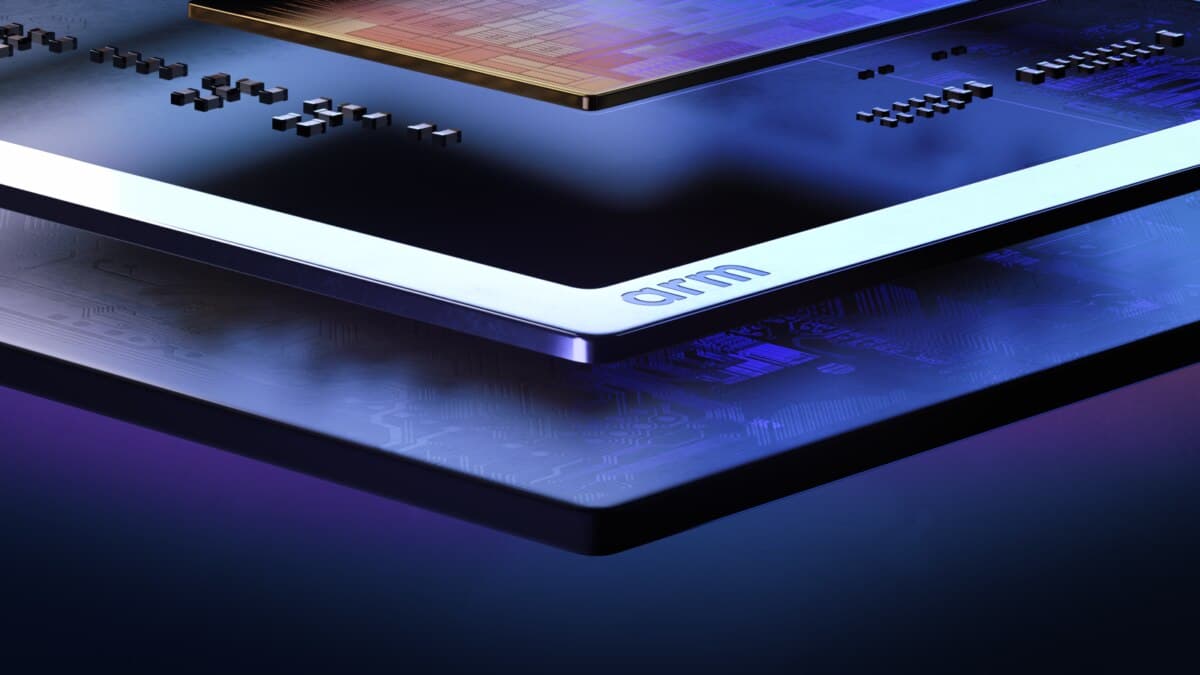
For years, Arm has been the silent architect behind basically every smartphone chip you've ever used. They design the blueprints, and companies like Qualcomm and MediaTek build the actual chips. Now, they're stepping into the arena as a proper chip manufacturer with the Arm AGI CPU.
This isn't your average mobile processor, though. The AGI CPU is designed for AI inference. In simple terms, it's built to handle the heavy lifting of running AI models in data centers. Think of it as the muscle behind those AI agents that are constantly trying to sell you stuff online.
Meta, fresh off its own reported struggles to build AI chips, is first in line to use (and co-develop) this new CPU. Are they hoping to get a leg up in the AI race? Or are they just diversifying their hardware dependencies? It's probably a bit of both.
Meta's AI Ambitions: Beyond the Metaverse
Let's be real, Meta's Metaverse pivot hasn't exactly set the world on fire. (Okay, maybe it set some money on fire.) But they're still betting big on AI, and they need the infrastructure to power it.
The AGI CPU could be a key piece of that puzzle, allowing Meta to:
* Improve the efficiency of their AI models: Faster inference means lower costs and better performance.
* Reduce reliance on Nvidia: Nobody wants to be entirely dependent on one supplier.
* Potentially customize the chip for their specific needs: Co-development offers a level of control they wouldn't get with off-the-shelf solutions.
But let's not get carried away. This is still early days. The AGI CPU has to prove itself in real-world deployments. And even if it's a success, it's just one piece of a very complex AI infrastructure puzzle.
What Nobody's Talking About: The "AGI" Hype
Did you catch that name? "AGI CPU." As in, Artificial General Intelligence. That's a bold claim for a chip designed for inference. It's like naming your Corolla the "Rocketship One."
While the AGI CPU might be a step forward, let's not pretend it's going to magically unlock human-level AI. It's more likely a marketing ploy to generate buzz and attract investors. And honestly? It's working. But we're not falling for it. We've seen this hype cycle before.
The African Angle: Will We Benefit, or Be Left Behind?
Okay, let's bring this back to the continent. What does Arm's new CPU and Meta's AI ambitions mean for us in Ghana and across Africa?
The good news is that increased investment in AI infrastructure could lead to:
* Improved access to AI-powered services: Think better healthcare diagnostics, more efficient agriculture, and personalized education.
* New opportunities for African developers and entrepreneurs: As AI becomes more accessible, local talent can build innovative solutions for uniquely African challenges.
* Potential for data center growth: While we're not likely to see Meta building massive data centers in Accra anytime soon (thanks, erratic power supply!), increased demand for AI processing could spur investment in local infrastructure.
However, there are also potential downsides:
* Increased digital divide: If access to AI is limited to the wealthy and well-connected, it could exacerbate existing inequalities.
* Data colonialism: We need to ensure that African data is used ethically and responsibly, and that we benefit from its value.
* Job displacement: Automation powered by AI could lead to job losses in certain sectors, particularly in low-skill industries.
Consider this: Companies like AI Ghana are already working to build AI solutions tailored to local needs. Could partnerships with global players like Meta accelerate their growth? Or will they be overshadowed by the tech giants?
Also, Nigeria's Data Science Nigeria (DSN) initiative is training a new generation of AI professionals. Will they have access to the resources and infrastructure they need to compete on a global stage?
The challenge for Ghana and other African nations is to proactively shape the AI landscape, ensuring that it benefits all of our citizens. This requires strategic investments in education, infrastructure, and regulation. We need to be more than just consumers of AI; we need to be active participants in its development and deployment.
FAQ: Your Burning Questions Answered
1. What is AI inference, and why is it important?
AI inference is the process of using a trained AI model to make predictions or decisions based on new data. It's the "doing" part of AI. It's important because it's what allows AI to be used in real-world applications, from recommending products to detecting fraud.
2. How does this affect African startups?
This could be a double-edged sword. Cheaper, more accessible AI infrastructure could lower the barrier to entry for African startups. However, it could also make it harder for them to compete with well-funded global players. Think of it like this: will the improved infrastructure allow Ghanaian startups to build bigger, better solutions, or will it just make it easier for foreign companies to dominate the market?
3. Will this make my phone faster?
Not directly. The AGI CPU is designed for data centers, not mobile devices. However, if the AI-powered services you use on your phone become more efficient, you might notice a slight improvement in performance. But don't hold your breath.
4. Is Arm going to start competing with Qualcomm and MediaTek?
Probably not. Arm has stated that they will continue to license their chip designs to other companies. The AGI CPU is more of a proof-of-concept and a way for Arm to showcase its capabilities.
5. What are the ethical implications of using AI in Africa?
There are several ethical considerations, including data privacy, bias in algorithms, and the potential for job displacement. It's crucial to develop ethical guidelines and regulations to ensure that AI is used responsibly and equitably in Africa.
Sources
1. "Arm’s first CPU ever will plug into Meta’s AI data centers later this year" - The Verge: https://www.theverge.com/ai-artificial-intelligence/899823/arm-agi-cpu-meta
So, is Arm's move a stroke of genius, or just another example of tech giants chasing the AI dream? And more importantly, how can we ensure that Africa benefits from this wave of innovation? Let's discuss in the comments!
You Might Also Like
- Spotify's Savior: New Tool Fights AI Art Theft!
- Pentagon vs Anthropic: The AI Drama Nobody Saw Coming
- Pentagon vs. AI: Explosive Anthropic Filing Shocks All
---
Want to go deeper on topics like this? ShowMe is where African tech professionals learn, teach, and build together. Join a Compound or start teaching what you know.
This article was AI-assisted and editor-reviewed. See our editorial policy for how we use AI.
The ShowMe Blog
AI-CuratedAI-curated insights on technology, business innovation, and digital transformation across Africa. Every post is synthesized from multiple verified sources with original analysis.
Related Posts

Master SEO Content Writing: Earn Big in 2026!
Got $50 an hour? If you can write SEO-optimized content, that could be your new reality. Crazy, right? But it's not just a dream—it's a growing field where skilled writers are raking in the cash. In A
Read more
Unlocking Affiliate Marketing Potential for African Creators
Did you know that the affiliate marketing industry is projected to reach $8.2 billion by 2022? With the rise of digital commerce, savvy marketers are turning to this lucrative avenue to earn substanti
Read more
Earn Extra Income as a Social Media Manager Today
Did you know that businesses now spend 43% of their marketing budgets on digital channels? If you’re not cashing in on social media management, you’re leaving money on the table. Whether you're in Acc
Read more