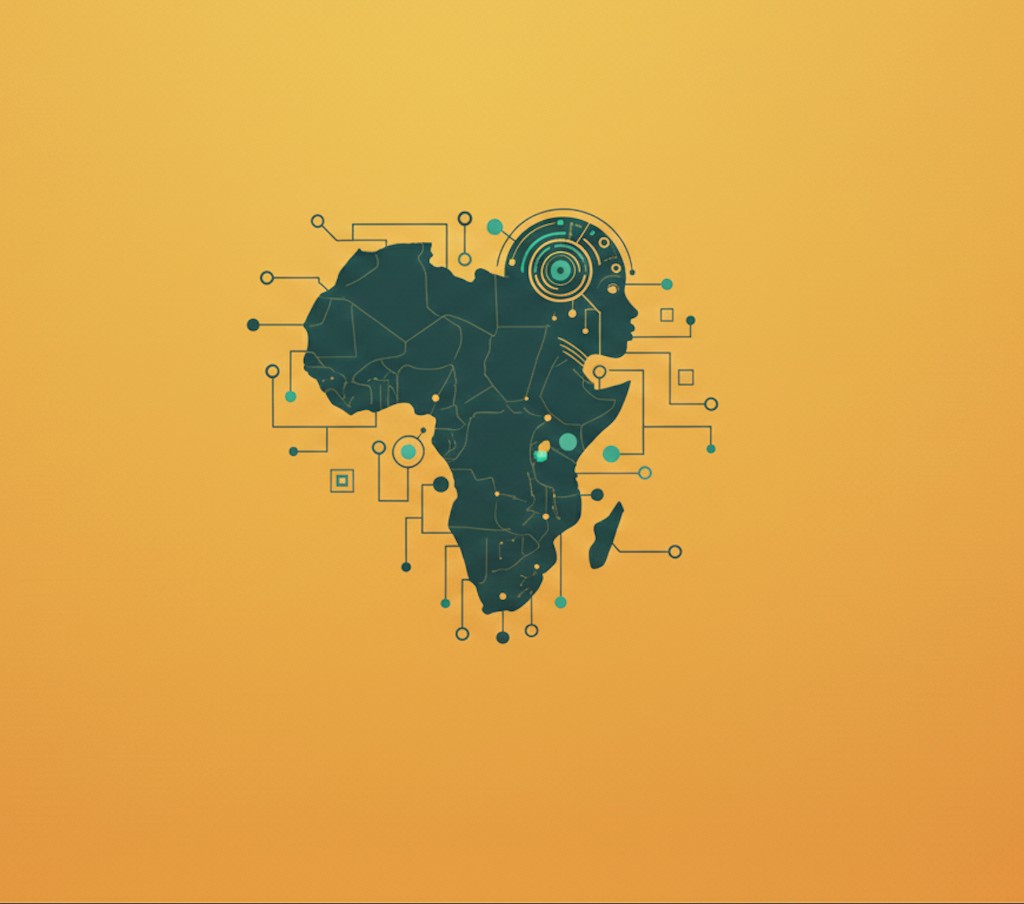

Unlocking Earth's Secrets: Use AlphaEarth for Similarity Search
Want to discover similar locations worldwide? Learn how AlphaEarth and Google Earth Engine can transform your research today!
Ever wondered if there’s a tool that could instantly connect you to environmentally similar locations around the world? Spoiler alert: there is! Enter AlphaEarth, Google DeepMind's latest brainchild that’s turning traditional geographic searches upside down. Forget scrolling through endless maps and guesswork; this innovative tool uses embeddings — yes, those magical vectors that capture the essence of data — to make finding similar spots as easy as pie.
What Are Embeddings and Why Should You Care?
Let’s break it down. In the digital world, embeddings are like your quirky best friend who knows just how to interpret those complex social cues. Instead of relying on boring old keyword matching (yawn), embeddings convert information into numerical formats that hold meaning. Think about it: two images of beaches might end up close together in the embedding space, while a beach and a mountain range hang out far apart.
Now imagine applying this concept to geography through AlphaEarth. With just a few lines of code and some reference coordinates, you can unlock insights from across our planet. In layman’s terms, it’s like having a personal tour guide that knows exactly where to find the twin of any location you fancy.
How Does It Work?
1. Get Your Coordinates: Start by pinpointing the locations you're interested in.
2. Code It Up: A few lines of code later (thanks to Google Earth Engine), you’re ready to roll.
3. Search Like a Pro: The magic happens when AlphaEarth compares your inputs against its vast dataset, delivering results that are geographically similar.
Why This Matters for Africa
If you've ever tried to analyze environmental changes or plan urban development in cities like Accra or Nairobi, you know it can be a hassle to pull trends from tons of disparate data. Enter AlphaEarth — a tool that doesn't just democratize access to geographical information but also empowers local innovators and researchers on the continent.
Imagine being able to identify regions in West Africa with climate patterns similar to those elsewhere globally. This isn’t just useful for academics; startups focusing on sustainable farming or eco-tourism can leverage these insights for better decision-making.
What Nobody's Talking About
Here's the kicker: while many are hyped about using AlphaEarth for research purposes, not enough chatter exists around its potential for community-driven projects in Africa. Think about grassroots movements aiming for climate resilience or local startups designing eco-friendly solutions — they could all benefit from understanding their geographical context better.
Consider this example: a Ghanaian farmer could utilize similarities found through AlphaEarth to optimize crop choices by learning from other regions thriving under similar conditions. It's not just tech; it's real-world impact waiting to happen!
FAQs
1. What is AlphaEarth?
AlphaEarth is a foundation model created by Google DeepMind that utilizes embeddings for similarity search across geographic locations.
2. How can I use AlphaEarth?
You can access it via Google Earth Engine with minimal coding required—just input your reference coordinates and let the system do its magic!
3. Is this tool useful for environmental research in Africa?
Absolutely! It can help researchers identify comparable regions globally, aiding studies on climate change, agriculture, and urban planning.
4. Do I need coding skills to use AlphaEarth?
While some basic coding knowledge is beneficial, many resources exist online to help beginners get started without needing an advanced degree.
5. Can small businesses benefit from AlphaEarth?
Definitely! Businesses focused on sustainability or agriculture can leverage geographic similarities for informed decision-making about resource management and product strategies.
Final Thoughts
In an era where data is king (and queen), tools like AlphaEarth are leveling the playing field for innovators across Africa. They allow us not just to visualize our world better but to draw connections that drive meaningful impact within our communities.
So why not dive into similarity search? Who knows? Your next big idea might just be waiting at a location somewhere around the globe that shares more than just latitude and longitude with your own backyard.
What would you do with this information if you had access? The possibilities are endless!
Sources
1. How to Use AlphaEarth for Similarity Search in Google Earth Engine
---
Ready to Turn Your Skills Into Income?
ShowMe is a social learning platform where anyone can teach what they know and earn money doing it. Whether you're a developer, designer, marketer, or chef — your skills have value.
Create a Free Compound on ShowMe — Build your learning community, share your expertise, and start earning. No gatekeeping, no expensive courses. Just real people teaching real skills.
Join a Compound — Find experts in AI, tech, business, and more. Learn from verified Masters who've actually done the work.
This article was AI-assisted and editor-reviewed. See our editorial policy for how we use AI.
The ShowMe Blog
AI-CuratedAI-curated insights bridging technology, business, and innovation between the US and Africa. Every post is synthesized from multiple verified sources with original analysis.
Related Posts

Master Digital Product Design: Your Path to Online Earnings in 2026
You know what’s hotter than a Nigerian Jollof? The demand for digital product designers. With over 90% of businesses going online, this skill is not just trendy—it’s essential. If you’ve been eyeing a
Read more
Become a Virtual Reality Developer: Skills You Need Today
You know what’s cooler than gaming? Living in it. Virtual reality isn't just for sci-fi movies anymore; it’s reshaping industries from education to tourism, especially in Africa, where tech is skyrock
Read more
Master Voice Over Skills: Your Profitable Side Hustle in 2026
Want to make money from home without even leaving your bed? Yeah, I’m talking about voice overs. In 2026, this skill is going to be more than just cool—it's gonna be cash in your pocket, especially fo
Read more