MiniMax M2.7: AI's Self-Evolving Future—Game Changer?
MiniMax's M2.7 model self-evolves? Is this AI's next leap or just hype? Let's break down what it means for African innovators!
Hold up. An AI that self-evolves? Sounds like the plot of the next sci-fi blockbuster, right? MiniMax just dropped their M2.7 model, and the claim is it can tweak its own code and workflows to get better at reinforcement learning. But is this truly Skynet in diapers, or just another incremental upgrade dressed up for a press release? Let's dig in.
MiniMax M2.7: The Hype Train Has Left the Station
So, what's the big deal? MiniMax is touting the M2.7 as a major leap forward in reinforcement learning (RL). RL, for those not knee-deep in AI, is basically teaching AI through trial and error, rewarding good behavior and punishing bad. Think of it like training a very complex (and potentially world-domineering) puppy.
The claim is that M2.7 can automate a significant chunk (30-50%) of the RL workflow. This means less human intervention, faster iteration, and potentially more powerful AI models. They're also hinting at self-evolution, suggesting the model can adapt its own architecture and algorithms. Because, of course, another AI model is going to "change the world."
What Does Self-Evolving AI Actually Mean?
Let's be real, "self-evolving" is a loaded term. It's not like M2.7 is suddenly going to sprout sentience and start writing poetry (although, knowing AI these days, maybe it will). What it probably means is that the model can automatically adjust hyperparameters, optimize its code for specific tasks, and explore different architectural configurations. Still impressive, but a far cry from full-blown AI singularity.
Think of it less as biological evolution and more as hyper-efficient code optimization. The AI is still operating within the constraints programmed by its creators. For now.
What Nobody's Talking About: The Compute Cost
Here's the elephant in the room: all this fancy self-evolving and workflow automation requires serious computing power. We're talking about the kind of infrastructure that only a handful of companies globally can afford. While MiniMax might be pushing the boundaries of AI, are they also inadvertently widening the gap between the AI haves and have-nots?
And this isn't just about bragging rights. Access to cutting-edge AI tools can give businesses a massive competitive advantage. If only a select few can afford to play, the disparity will continue to grow.
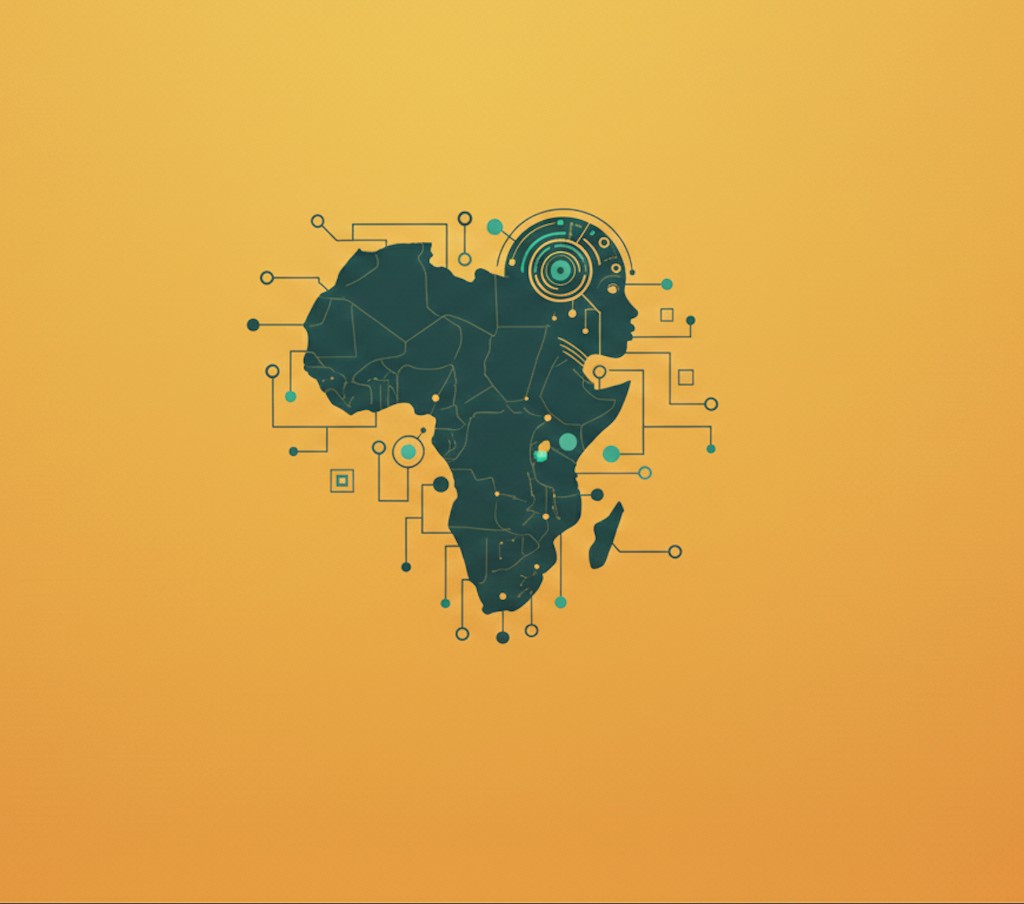
The African Angle: Opportunity or Overshadowing?
Okay, Accra crew, let's bring this home. What does a "self-evolving" AI model halfway across the world mean for us?
* Potential for Collaboration: On the one hand, advancements in AI, even if resource-intensive, eventually trickle down. Open-source tools and pre-trained models become more accessible. Imagine leveraging a more efficient RL model to optimize logistics for a company like Kobo360, reducing transportation costs across Nigeria.
The Data Gap: The real challenge isn't just access to models, it's access to relevant* data. MiniMax's M2.7 is likely trained on datasets that are vastly different from the realities of the African market. We need to focus on building our own datasets and training models that are tailored to our specific needs and challenges. Think using AI to improve crop yields for smallholder farmers in Ghana or predicting disease outbreaks in Kenya.
* Brain Drain Alert: The increasing sophistication of AI models could exacerbate the brain drain. Talented African AI researchers might be lured away by lucrative opportunities at companies like MiniMax, further hindering the development of local expertise. We need to create incentives for these brilliant minds to stay and build here. Maybe a pan-African AI research consortium, funded by local governments and private investors?
* The Mobile Money Disruption: Imagine a self-evolving AI trained to optimize mobile money lending platforms. This could potentially democratize access to credit and empower entrepreneurs across the continent. Think of a platform like Branch, but powered by an AI that can dynamically adjust interest rates and loan terms based on real-time market conditions.
The key takeaway? We can't afford to just sit back and watch the AI revolution unfold. We need to be active participants, shaping the technology to serve our own needs and build a thriving AI ecosystem here in Africa.
FAQ: Your Burning AI Questions Answered
What is reinforcement learning (RL) and why is it important?
RL is a type of machine learning where an AI agent learns to make decisions by interacting with an environment and receiving rewards or punishments. It's important because it can be used to solve complex problems where the optimal solution is not known in advance, such as robotics, game playing, and resource management.
How does MiniMax's M2.7 compare to other AI models?
MiniMax claims that M2.7 is more efficient and requires less human intervention than previous RL models. The "self-evolving" aspect is also a unique selling point, although the actual capabilities of this feature remain to be fully seen.
How does this affect African startups?
This could go either way. African startups might struggle to compete with companies that have access to more advanced AI tools. On the other hand, open-source advancements and increased efficiency could democratize access to AI, providing new opportunities for innovation. It highlights the importance of [investing in AI infrastructure and education] within Africa.
Is AI going to take over the world?
Probably not... probably. But it will automate a lot of jobs and change the way we work. It's important to be aware of the potential impacts and prepare for the future.
What are some practical applications of AI in Ghana?
AI can be used to improve agriculture, healthcare, education, and transportation in Ghana. For example, AI-powered drones can monitor crop health, chatbots can provide medical advice, and AI algorithms can optimize traffic flow in Accra.
Sources
1. "MiniMax launches proprietary M2.7 AI model that self-evolves and runs 30–50% of RL workflowventurebeat.com" - Future Tools. URL: https://venturebeat.com/technology/new-minimax-m2-7-proprietary-ai-model-is-self-evolving-and-can-perform-30-50
So, is MiniMax's M2.7 a game-changer, or just another step on the long road to AI supremacy? And more importantly, how can African innovators leverage these advancements to build a better future for our continent? Let's discuss in the comments below!
You Might Also Like
- Apple's AI App Crackdown: What It Means for African Devs
- AI’s Dangerous Game: Why Nuclear Strikes Are on the Table
- Apple Slaps Down AI Apps: Is This a Warning Shot?
---
Want to go deeper on topics like this? ShowMe is where African tech professionals learn, teach, and build together. Join a Compound or start teaching what you know.
This article was AI-assisted and editor-reviewed. See our editorial policy for how we use AI.
The ShowMe Blog
AI-CuratedAI-curated insights on technology, business innovation, and digital transformation across Africa. Every post is synthesized from multiple verified sources with original analysis.
Related Posts
How AI Tools Are Changing What It Means to Be a Teacher Online
AI tools are reshaping online education — but not in the way most people think. Here is what actually changes for teachers who use them well.
Read more
Mistral's Voxtral: Killer TTS or Just More AI Noise?
Alright, let's be real. How many times have we heard that a new AI model is going to "revolutionize" something? Probably as many times as ECG has taken our lights. But Mistral AI's new Voxtral TTS (te
Read more
MiniMax M2.7: Self-Evolving AI Model—Game Changer?
Okay, so another AI model is claiming to "self-evolve." Let's be real, we've heard it all before. But MiniMax's M2.7 is promising some serious gains in reinforcement learning (RL) workflows. Is it act
Read more