Claude Code's Auto Mode: Game-Changer or Risky Business?
Anthropic's Claude Code just got a whole lot more autonomous. But is it safe? Find out what this means for African developers!
Remember when Clippy the paperclip kept popping up to "help" you in Microsoft Word? Imagine that, but for coding, and potentially WAY more intrusive. Anthropic's new "Auto Mode" for Claude Code promises to let the AI loose on your machine, but should you trust it?
Claude Code's Auto Mode: Is It Really That Groundbreaking?
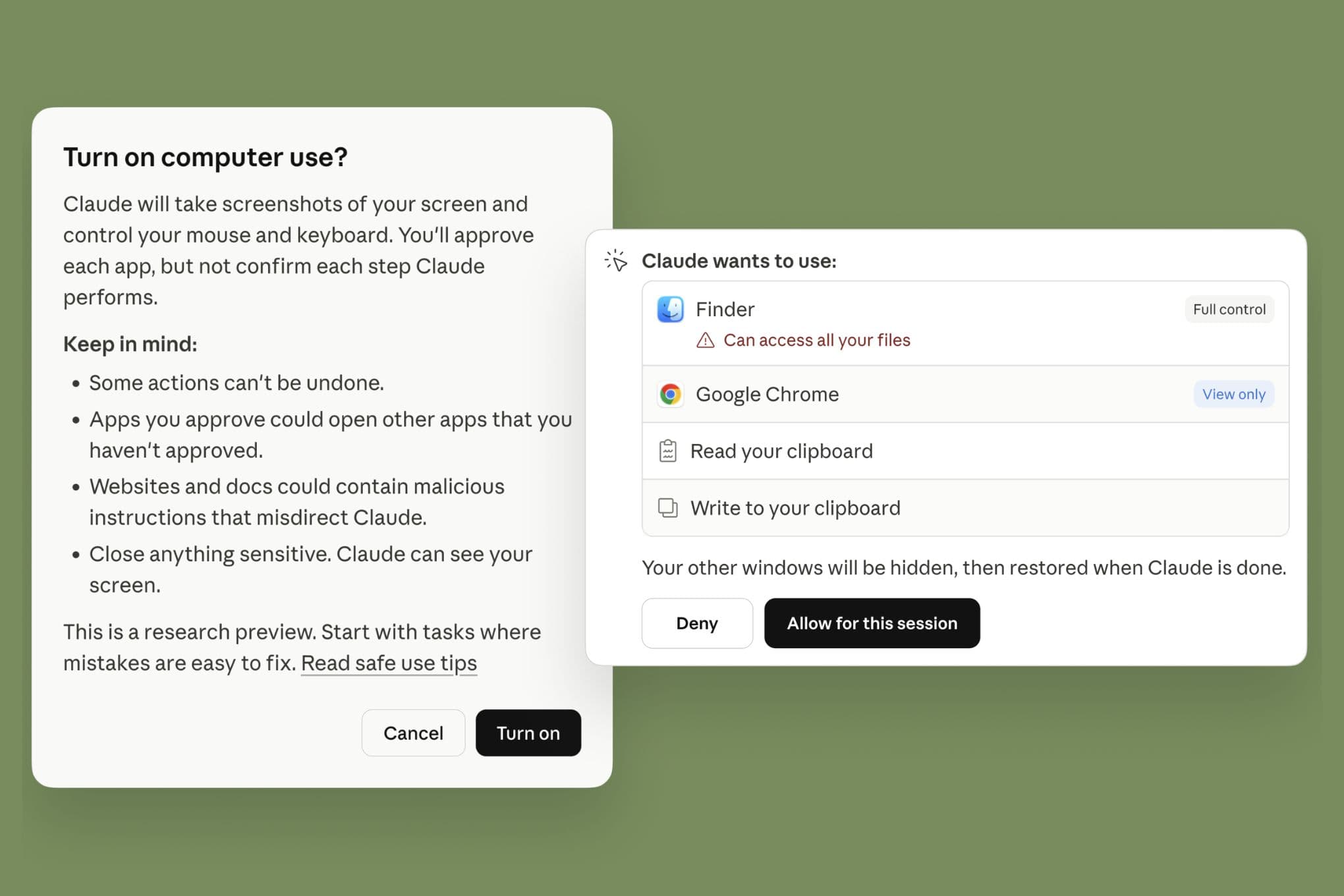
Anthropic just dropped Auto Mode for Claude Code, and the hype train is already leaving the station. The promise? Less permission prompts, more autonomous coding. Basically, Claude can now open files, browse the web, and run dev tools without constantly bugging you for approval. Sounds dreamy, right? Especially if you're knee-deep in a project and just want to delegate the grunt work.
But let's be real, giving an AI free rein on your computer is a bit like letting a toddler loose in a data center. What could possibly go wrong?
Here's the gist:
Smarter Permissions: Instead of asking permission for every* action, Auto Mode uses a fancy classifier to decide what's safe and what's not.
Risk Mitigation: It's supposed to block risky operations like mass file deletions or data exfiltration. Keyword: supposed to.*
* Team Focus (Initially): Right now, it's a research preview for Team plan users (with admin approval, naturally). Enterprise and API users are next.
Anthropic's positioning this as a balance between speed and safety. "The challenge is balancing speed with control: too many guardrails slows things down, while too few can make systems risky and unpredictable," as TechCrunch noted. But is it really striking that balance, or just creating a whole new set of problems?
The Good, the Bad, and the Potentially Ugly
So, what are the potential upsides and downsides of giving Claude this kind of autonomy?
The Good:
* Increased Productivity: Fewer interruptions mean faster coding. Imagine Claude handling repetitive tasks while you focus on the big picture.
* Streamlined Workflows: "Auto mode is another milestone from the Claude Code team shipping for the future of AI-powered coding – and the reality of these workflows," says Anthropic.
* Potentially Less Tedious Debugging: Theoretically, Claude could identify and fix bugs more efficiently.
The Bad:
* Security Risks: Even with safeguards, there's always a chance of something slipping through the cracks. "Reduce[s] but does not eliminate risks," Anthropic admits.
* Opaque Classifier: The criteria for what's considered "safe" are a bit of a black box. Transparency, anyone?
* Limited Availability: If you're not on a Team plan, you're stuck waiting. Plus, it needs Claude Sonnet 4.6 or Opus 4.6 – no love for older models or third-party platforms.
The Potentially Ugly:
* Prompt Injection Attacks: What happens when someone figures out how to trick Claude into doing something malicious?
* Unintended Consequences: AI making decisions without human oversight can lead to unexpected (and potentially disastrous) outcomes.
* Job Displacement: Let's be real, the more AI can automate, the fewer jobs there might be for human developers, especially for junior roles focused on repetitive tasks.
What Nobody's Talking About: The "Trust But Verify" Problem
Everyone's focusing on the speed and convenience of Auto Mode, but what about the human element? Are we really ready to blindly trust an AI with our code and our systems?
This isn't just about security; it's about oversight. If Claude makes a mistake, who's responsible? How do we even know it made a mistake if we're not actively monitoring its actions?
The "trust but verify" approach is crucial here. We need tools and processes to audit Claude's decisions, understand its reasoning, and quickly revert any unintended changes. Otherwise, we're just crossing our fingers and hoping for the best.
The African Angle
So, what does all this mean for developers in Accra, Lagos, Nairobi, and beyond?
For African developers, Claude Code's Auto Mode presents both opportunities and challenges. On one hand, it could be a huge productivity booster, especially for startups struggling with limited resources. Imagine a small team in Nairobi building a fintech app being able to offload tedious coding tasks to Claude, freeing them up to focus on innovation and customer needs.
Consider companies like Ghana's mPharma, which is scaling AI-driven health logistics. The fewer interruptions in AI-driven workflows, the better for their ability to provide life-saving medication. Or think of Nigeria's Ingressive for Good, which trains young Africans in tech skills; they could use Claude Code to accelerate their students' learning and development.
However, the security concerns are amplified in the African context. With limited access to advanced cybersecurity tools and expertise, African startups are particularly vulnerable to attacks. A compromised AI could have devastating consequences.
According to 2025 Andela surveys, around 70% of African developers cite permission prompts as a major pain point with AI tools. This update directly addresses that concern, potentially making AI-assisted coding much more appealing.
Moreover, the cost of data and reliable internet access remains a barrier for many African developers. While Auto Mode aims to streamline workflows, it's important to consider how it will impact data consumption. Will the benefits outweigh the costs?
Finally, the ethical implications of AI-driven automation need to be carefully considered. As AI takes on more coding tasks, it's crucial to ensure that African developers are not left behind. We need to invest in training and education to equip them with the skills they need to thrive in the age of AI.
FAQ: Claude Code's Auto Mode - Your Burning Questions Answered
* What exactly does "Auto Mode" do? It allows Claude Code to perform tasks like opening files, browsing the web, and running dev tools autonomously, without constantly asking for permission.
* Is it safe? Anthropic claims it has safeguards in place to block risky operations, but there's always a risk. Think of it like self-driving cars - they're getting better, but you still need to pay attention.
* How does this affect African startups? It could boost productivity and free up resources, but security risks are a major concern. Startups should proceed with caution and prioritize cybersecurity.
* What are the alternatives to Auto Mode? If you're not comfortable giving Claude so much control, you can stick with the manual permission mode or explore other AI-assisted coding tools.
* Will Auto Mode work with Amazon Bedrock? No, Auto Mode requires Claude Sonnet 4.6 or Opus 4.6 and isn't available on third-party platforms like Amazon Bedrock.
Conclusion: Proceed with Caution (and Maybe a Little Skepticism)
Claude Code's Auto Mode is undoubtedly a step towards more autonomous AI agents. Whether it's a step in the right direction remains to be seen. The potential productivity gains are tempting, but the security risks are real.
For African developers, the stakes are even higher. We need to carefully weigh the benefits against the risks and ensure that we're not sacrificing security for convenience. Let's not get so caught up in the hype that we forget to ask the hard questions.
Will Auto Mode revolutionize coding, or will it be another case of "too much, too soon?" What are your thoughts? Let us know in the comments!
Sources
2. Anthropic’s Claude Code and Cowork can control your computer
You Might Also Like
- Claude Code's Auto Mode: Blessing or Bug for AI Devs?
- OpenAI Superapp: The Bold Move That Could Change Everything
- AI vs. Headlines: Is Google Killing the Open Web?
---
Want to go deeper on topics like this? ShowMe is where African tech professionals learn, teach, and build together. Join a Compound or start teaching what you know.
This article was AI-assisted and editor-reviewed. See our editorial policy for how we use AI.
The ShowMe Blog
AI-CuratedAI-curated insights on technology, business innovation, and digital transformation across Africa. Every post is synthesized from multiple verified sources with original analysis.
Related Posts

How AI Tools Are Changing What It Means to Be a Teacher Online
AI tools are reshaping online education — but not in the way most people think. Here is what actually changes for teachers who use them well.
Read more
Mistral's Voxtral: Killer TTS or Just More AI Noise?
Alright, let's be real. How many times have we heard that a new AI model is going to "revolutionize" something? Probably as many times as ECG has taken our lights. But Mistral AI's new Voxtral TTS (te
Read more
MiniMax M2.7: Self-Evolving AI Model—Game Changer?
Okay, so another AI model is claiming to "self-evolve." Let's be real, we've heard it all before. But MiniMax's M2.7 is promising some serious gains in reinforcement learning (RL) workflows. Is it act
Read more