
Become a Certified Blockchain Developer by 2026: Here’s How
Ready to dive into blockchain? Learn how to become a certified developer in 2026 and start teaching it on ShowMe!
Imagine this: By 2026, the blockchain job market is projected to grow by nearly 50%. If you’re looking for a career that’s not just lucrative but also revolutionary, becoming a certified blockchain developer could be your ticket. The demand for skilled developers who understand this technology isn’t just increasing; it’s skyrocketing.
The truth is, every day we hear about cryptocurrencies, NFTs, and smart contracts. But behind these buzzwords lies a skill set that can set you apart in the job market. And guess what? It all starts with learning how to develop on blockchain.
Why This Skill Matters
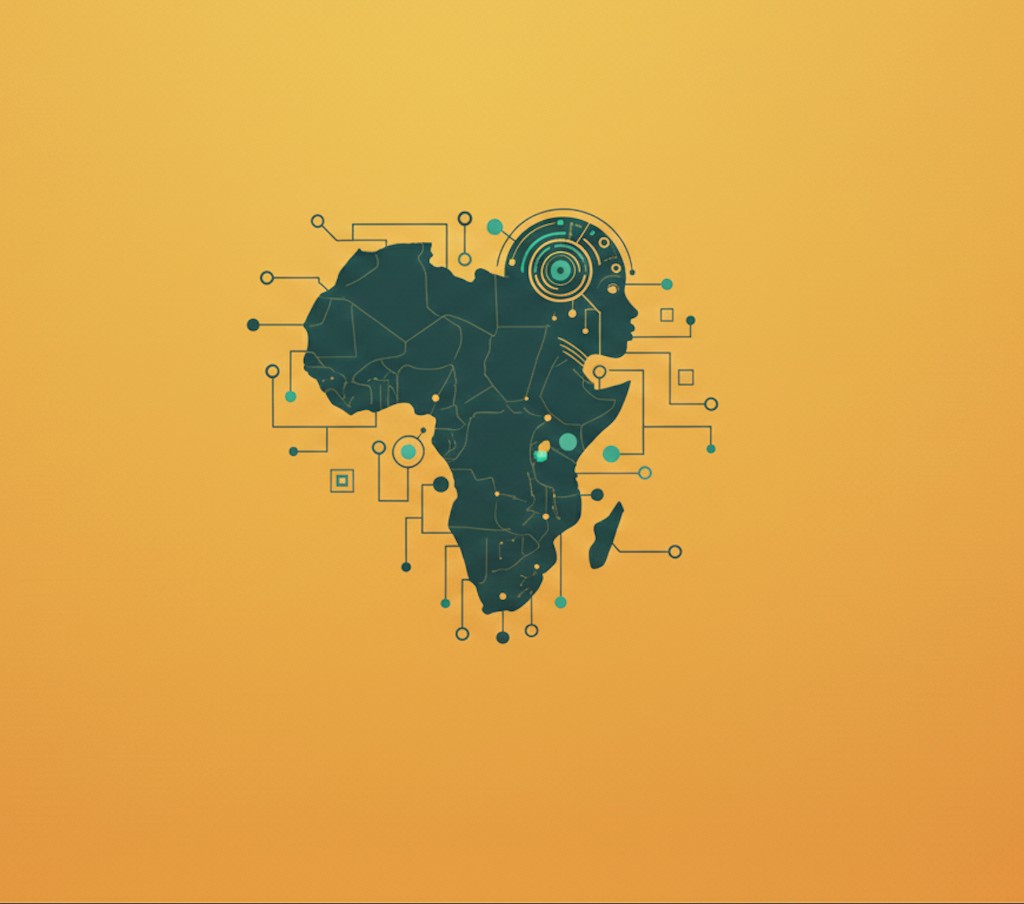
Blockchain isn’t just for crypto enthusiasts; it's transforming industries from finance to healthcare. In Africa, countries like Nigeria and Ghana are embracing fintech innovations that leverage blockchain technology. Imagine being at the forefront of this revolution! As a certified blockchain developer, you’ll not only build secure applications but also contribute to an economy that values transparency and decentralization.
What You'll Learn
1. Blockchain Fundamentals: The basics of decentralized networks and cryptographic principles.
2. Smart Contracts: How to design and deploy contracts on platforms like Ethereum.
3. Development Tools: Familiarity with tools like Truffle, Ganache for testing, and Metamask for transactions.
4. Programming Languages: Proficiency in languages such as Solidity (Ethereum), JavaScript (Node.js), or Python.
5. DApps Development: Creating decentralized applications that run on blockchains.
Learning Roadmap
Beginner Level
- Get Started with Basics:
- Join forums or communities online where developers share insights.
- Hands-on Practice:
Intermediate Level
- Learn Smart Contract Development:
- Build Simple Projects:
- Join a Community:
Earning Potential
Once you’ve got some projects under your belt, your earning potential can be impressive. Entry-level blockchain developers in Africa can make between $15,000 to $30,000 annually. As you gain experience and certifications like the Certified Blockchain Developer™ from the Blockchain Council, you can easily command over $70,000 per year!
Tools Needed
To get started effectively:
1. Development Environment: Install Visual Studio Code.
2. Blockchain Platform: Create accounts on Ethereum and Binance Smart Chain.
3. Testing Tools: Use Ganache for local blockchain testing.
4. Wallets: Set up Metamask for managing transactions.
Time Commitment
Plan for around 10–15 hours per week over six months to build a solid foundation in blockchain development. That means focusing on both theory and practical application—just enough time to create meaningful projects while keeping your current commitments.
Start Teaching on ShowMe
The beauty of being proficient in blockchain development is not just about finding work; it’s also about sharing your knowledge! With ShowMe (https://shwme.app), you can create your own learning community focused on teaching aspiring learners everything about blockchain development.
As a Master on ShowMe:
- You’ll earn money by sharing what you know!
- Develop engaging content through interactive lessons.
- Build connections with learners eager to break into the field.
FAQs About Becoming a Certified Blockchain Developer
What qualifications do I need?
No formal degree is required! A strong grasp of programming concepts will help tremendously.
How long does it take to get certified?
Most online programs range from three months to one year depending on your pace and prior knowledge.
Can I learn while working full-time?
Absolutely! Many resources are designed for part-time learners allowing flexibility around your schedule.
What opportunities are there after certification?
You can work as an independent developer, join startups or tech companies focusing on innovative solutions using blockchain technology.
This skill is not just about coding; it’s about diving deep into an evolving tech landscape that's shaping our future. By starting today, you'll position yourself as a valuable resource in this exciting journey.
Practical takeaway: Begin your journey now by exploring beginner resources online or connecting with others interested in this field through communities like ShowMe (https://shwme.app). What project will you start first?
---
Ready to put this into practice? ShowMe is the social learning platform where African professionals teach, learn, and earn together. Create a free learning community to teach this skill, or join one to learn from real experts. Join our WhatsApp community for daily conversations with builders across Africa.
This article was AI-assisted and editor-reviewed. See our editorial policy for how we use AI.
The ShowMe Blog
AI-CuratedAI-curated insights on technology, business innovation, and digital transformation across Africa. Every post is synthesized from multiple verified sources with original analysis.
Related Posts

Master E-commerce SEO: Your Path to Online Store Success
You know that feeling when you've set up your online store but traffic is trickling in slower than molasses? You're not alone! A whopping 93% of online experiences begin with a search engine. If your
Read more
Master Instagram Photography: Monetization Guide for 2026
Ever thought your Instagram feed could fund your lifestyle? If you’re snapping photos and not cashing in, you're missing out. In 2026, the world of Instagram photography is ripe for the picking — espe
Read more
Master Digital Product Design: Your Path to Online Earnings in 2026
You know what’s hotter than a Nigerian Jollof? The demand for digital product designers. With over 90% of businesses going online, this skill is not just trendy—it’s essential. If you’ve been eyeing a
Read more